


Management

Stéphane Boissel
President & CEO
Stéphane was appointed Chief Executive Officer of SparingVision concurrently to the first closing of the series A financing in August 2020. He is also Chairman of the Board of the Company.
Prior to joining SparingVision as CEO, Stéphane served as Executive Vice President of Corporate Strategy of Sangamo Therapeutics, based in San Francisco (USA). He joined Sangamo Therapeutics in 2018 on the back of the acquisition by the latter of TxCell SA, a CAR-Treg company he was the CEO of. Stéphane is an experienced biotech professional who brings over 25 years of leadership experience across corporate finance, strategy and business development. Prior to his appointment as CEO of TxCell in 2015, he served as CEO of Genclis, a molecular diagnostics company. From 2002 to 2010, he served as CFO then Deputy-CEO of Innate Pharma SA, and from 2010 to 2014 he served as Deputy-CEO of Trangene SA. Earlier in his career, Stéphane worked in investment banking for Lazard, where he focused on principal investment in France, Singapore and Hong Kong. He also served as board member or Chairman of the board in different companies in the tech and biotech spaces across different countries.
Mr. Boissel completed his undergraduate work in management and finance at the University of Lyon and Paris-Dauphine in France and received his M.B.A. from the University of Chicago.
Stéphane is based on both sides of the ocean.
Dan Chung
CMO
Dr. Chung was appointed Chief Medical Officer of SparingVision in February 2021. In his role, he leads the clinical development and research into SPVN06, SparingVision’s flagship development asset, and is responsible for the clinical development of current and future pipeline products. Dr. Chung also leads the education of the medical community and patient advocacy.
Prior to joining SparingVision as CMO, Dr. Chung led the global medical strategy for ophthalmology at Spark Therapeutics, a leading rare disease gene therapy company and a member of the Roche Group. He played a pivotal role in the clinical development and approval of Luxturna™, the first gene therapy to be approved in the US for a genetic disease. During his time at Spark he served as the inherited retinal disease and ophthalmology expert across various company divisions and worked in medical affairs, clinical development and patient advocacy. Prior to Spark, Dr. Chung worked for 11 years at the Scheie Eye Institute within the Perelman School of Medicine at the University of Pennsylvania, specialising in gene-based therapies for inherited retinal diseases and cilia mediated disease.
Dr. Chung received his medical degree from the New York College of Osteopathic Medicine in 1994 and undertook postgraduate training at the National Eye Institute, Summa Health Systems and Cole Eye Institute at the Cleveland Clinic Foundation.
Dr. Chung is based in Philadelphia, USA.
Mehdi Gasmi
COO & CSO
Dr Mehdi Gasmi is Chief Scientific Officer and Chief Operating Officer of SparingVision.
Mehdi Gasmi is a seasoned executive with over 25 years of experience across the gene therapy drug development field, including in ophthalmology indications. Mehdi joined SparingVision in December 2021 as Chief Operating Officer and took the role of Chief Scientific Officer in April 2023.
Mehdi’s deep experience in the design and translational development of gene therapy drug candidates has been garnered through a multitude of posts, most recently as a Board member and, prior to that, as President and Chief Scientific Officer at Adverum Biotechnologies Inc. in California, USA. During his time as CSO of Adversum, Mehdi Gasmi led the company’s R&D and translational operations for AAV-based gene therapy products, specifically ADVM-022, a treatment for ocular VEGF-driven diseases.
Prior to Adverum, Mehdi Gasmi held numerous roles at gene therapy companies both in the US and in Europe, including Genethon, Ceregene, Cell Genesys and Chiron. In addition to his corporate experience, he worked on the development of HIV-based vectors for gene delivery at academic institutions including City of Hope and the University of California, San Diego.
Mehdi Gasmi received a MSc and PhD in Biochemistry from the Claude Bernard University, Lyon.
Hélène Grimm
General Counsel
Hélène was appointed General Counsel of SparingVision in March 2023.
With 20+ years’ experience as in-house legal manager in international organizations including pharma players, she was previously vice president legal affairs and secretary of the board of directors of ENYO Pharma, a clinical-stage biotech based in Lyon, where she structured the legal function and supported the fund-raising operations.
She started her career at Altran and then Sodexo in Paris where she acquired core competencies in contracts, corporate & governance, compliance and insurances within an international environment. Later she moved to Viatris (formerly Mylan) and then Bayer in Lyon, where she specialized in pharmaceutical and agrochemical businesses, before joining SBM, a Lyon-based mid-sized group where she implemented the legal department further to the main acquisition operation of Bayer consumers’ activities.
Hélène graduated with a Master degree in private law as well as with an MBA in management & business law. She is based in France.

Florence Lorget
CDSO
Florence was appointed Chief Development Sciences Officer of SparingVision.
From 2018 to 2020, Florence was the Senior Director for Nonclinical Safety Evaluation at Sangamo Therapeutics, a genomic medicine company, where she oversaw the pharmacology, toxicology and PK activities for a large portfolio of gene editing, gene regulation and gene therapy programs in various therapeutic areas. Prior to Sangamo, from 2013 to 2018, she was a Senior Scientist in the Safety Assessment department at Genentech. There, she was the Toxicology Therapeutic Area Lead for Ophthalmology. She also led the Ocular Platform Team, a cross-functional team focusing on the early development of long acting delivery strategies. From 2007 to 2013, Florence was a Senior Pharmacologist/Toxicologist at BioMarin where she was a key contributor to the nonclinical development of Vimizim®, an enzyme replacement therapy for Morquio syndrome, a rare lysosomal storage disorder, and of Vosoritide, a C-type natriuretic peptide for the treatment of Achondroplasia. Florence started her industry career at Amgen working on the Avimer™ technology. Florence obtained a Master in Bioengineering from the University of Technology of Compiegne (France). She received a Pharm D and a PhD in Cellular and Molecular Biology from the University of Picardie- Jules Verne (France).
Her postdoctoral work at the Nestle Research Center (Lausanne, Switzerland) and at the University of California San Francisco (UCSF) focused on osteoclast biology and the role of TGF-b on mesenchymal stem cell biology, respectively. Dr. Lorget has been a Diplomate of the American Board of Toxicology since 2014.
Florence is based in San Francisco, USA

Stanislas Piot
CFO
Stanislas Piot was appointed Chief Financial Officer of SparingVision in March 2020.
He was previously CFO of Balyo an industrial robotic company based in Paris area where he prepared and managed the IPO on the Paris Stock market in 2017 and supported the growth of the company.
He started his career at Banque Worms in Hong Kong and then joined the capital market teams of Crédit Lyonnais in Paris before joining Oddo in 2000, where he specialized in M&A and IPOs of growth stocks. Then, he moved to Natixis, where he spent three years before joining Ipsogen in October 2007 as CFO managing the IPO on the Alternext market in June 2008.
Stanislas Piot then worked at Stentys from May 2010 until March 2017.He is a graduate of Université de Paris II in Econometrics and Finance. Stanislas is based in France
Stanislas is based in Paris, France

Ryan Klimczak
VP, Intellectual Property
Ryan was appointed Vice President of Intellectual Property of SparingVision in March 2023
Ryan brings to SparingVision 14 years of experience as a patent professional in multiple jurisdictions, including the United States, France and Germany.
Ryan first practiced law at an IP firm in San Francisco and Washington D.C., followed by in-house counsel roles in biotech and digital health. Ryan’s in-house work includes successive roles at gene therapy startups VedereBio in Cambridge, MA and 4D Molecular Therapeutics in Emeryville, CA. Prior to entering law, Ryan performed doctoral research in the labs of David Schaffer and John Flannery at UC Berkeley, conducting some of the earliest work in AAV directed evolution in the retina. He is an inventor on multiple patents related to this research.
Ryan holds a bachelor’s degree in Biochemistry from Harvard University and a Ph.D. and J.D. from UC Berkeley. He is a licensed US Patent Attorney and is an active member of the Washington D.C. bar.
Ryan is based in Paris, France.

Florence Paliargues
VP, Portfolio and Program Management
Florence joined SparingVision as VP of Portfolio and Program Management at SparingVision.
Florence has almost 20 years of experience in the pharmaceutical industry. She started her career in clinical development at OrthoBiotech, J&J, then transitioned to leading all phases of clinical studies, and built clinical development plans for various biotech companies as well as pharmaceutical companies (Serono, Galderma, Novartis, Roche and Servier). Before joining SparingVision, Florence was leading CART programs at Cellectis where she was coordinating the set up and execution of the Integrated development plan from the PD/AD and non-clinical to registration.
Florence has worked on a variety of therapeutic areas, small molecules but also biologics, gene and cell therapies mainly in oncology / hematology and now ophthalmology.
Florence holds a Pharma D from University of Clermont-Ferrand in France. She is based in Paris, France.
Raffaella Toso
VP, Corporate Development
Raffaella joined SparingVision as VP of Corporate Development in 2021.
Prior to joining SparingVision, Raffaella worked at Spark Therapeutics since from 2014 to 2021. She joined as a senior scientist and supported the IND-enabling studies for the Hemophilia B and Hemophilia A programs and initiated the pre-clinical studies in two ophthalmology gene therapy programs. In 2017, she transitioned to the Business Development group to lead the Search and Evaluation efforts across different therapeutic areas.
Raffaella trained at the Children’s Hospital of Philadelphia as a postdoc from 2002 to 2007 and returned as a scientist from 2010 to 2014, working on the expression and characterization of variants of clotting factors responsible for the initiation of the blood coagulation cascade.
Raffaella received her MSc and PhD in Biochemistry from the University of Ferrara, Italy. She is based in Philadelphia, USA.
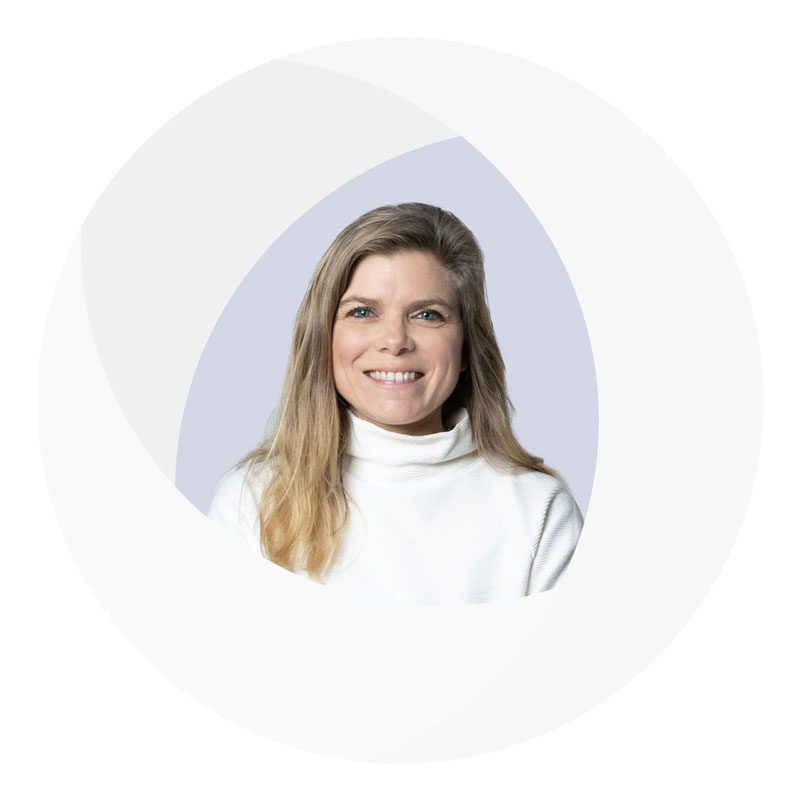
Marie Uguen
Senior VP, Regulatory Affairs & QA
Marie Uguen was appointed Senior VP, Regulatory Affairs & QA at SparingVision in June 2023.
In her role, Marie is in charge of defining and executing the regulatory strategy for the development and registration of SparingVision’s gene therapy products. She is also heading the quality assurance department of the company.
Before joining SparingVision, Marie was Chief Regulatory Officer & QA at Lysogene, a biopharmaceutical gene therapy company with lead programs in late clinical stage in neurodegenerative lysosomal storage disorders that affect children.
Prior to joining Lysogene in early 2019, Marie worked 15+ years as a consultant, assisting life sciences companies throughout the development, registration and lifecycle of their products. Involved in the development of biotech products, NCEs and repurposed drugs, Marie has extensive experience in interactions with FDA, EMA and national health authorities.
In addition, Marie is consultant editor for TOPRA (The Organisation for Professionals in Regulatory Affairs)’s Regulatory Rapporteur since January 2018.
Marie received an engineering degree from AgroParisTech (formerly INA-PG, Institut National Agronomique Paris-Grignon), completed by a Ph.D in cellular and molecular pharmacology at the French National Center for Scientific Research (CNRS) in Pr. Couvreur’s lab in the Paris-Saclay University (UMR 8612).”
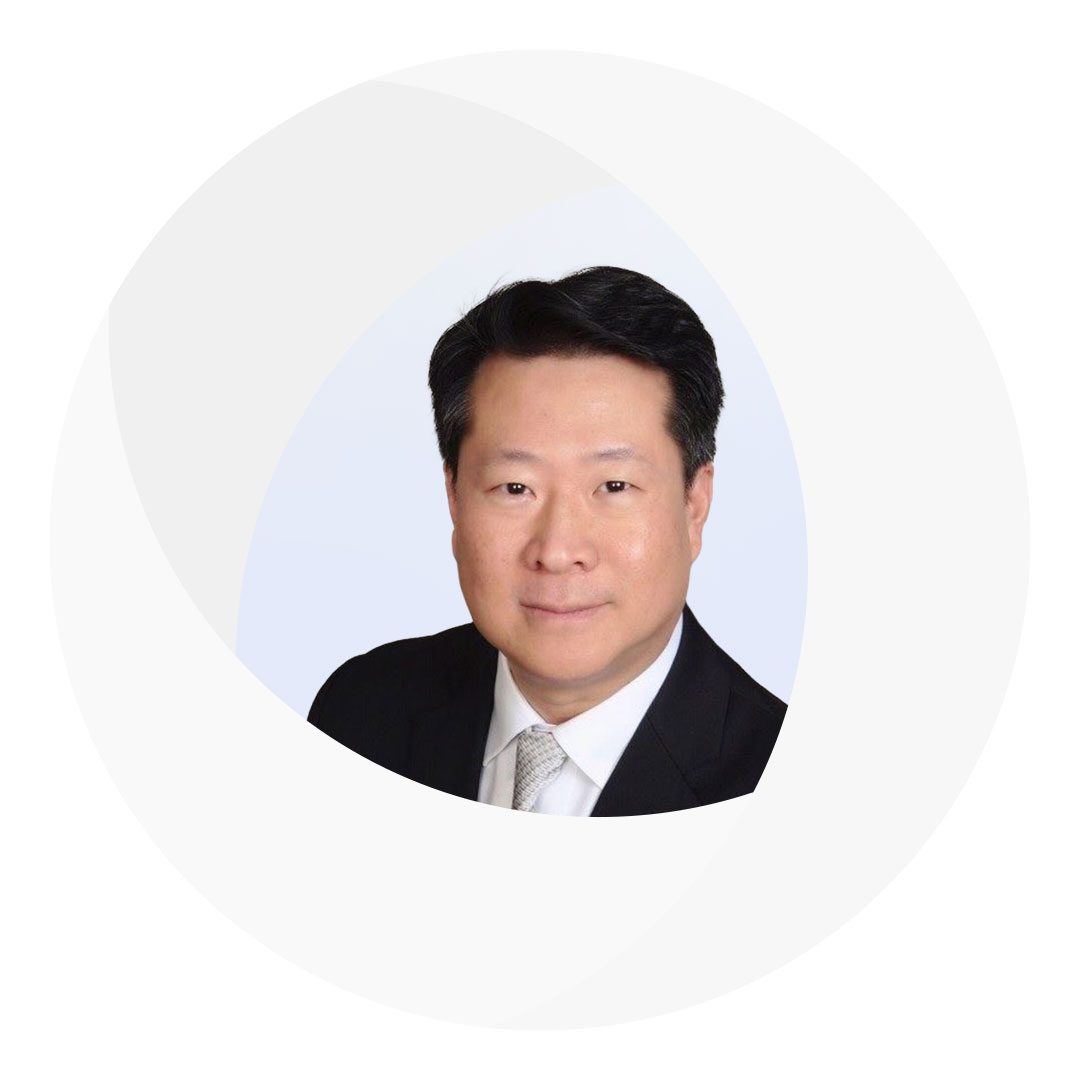
James Gow
VP, Clinical Development
James was appointed as the Vice President of Clinical Development at SparingVision in September 2023.
In his role, James oversees the clinical operations team and is responsible for the clinical aspects of the gene therapy clinical trials at SparingVision.
James recently served as the Executive Medical Director, Ophthalmology Development Unit of Biogen and led the ocular gene therapy clinical trials. James has previously served as the Vice President at Shire, Takeda, and Novartis and conducted clinical trials on diverse ophthalmology programs. He has published in peer-reviewed journals including the American Journal of Ophthalmology, JAMA Ophthalmology, Ophthalmology, and Nature Medicine.
James received his MD from the University of Manitoba (Canada) and completed postgraduate training at McGill University and The George Washington University. He earned his MBA and MS from Cornell University.
Scientific Founders
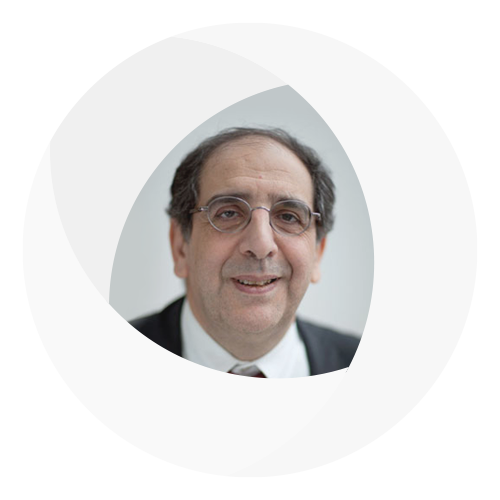
Prof. José Alain Sahel
Co-founder
José-Alain Sahel studied medicine at the Medical School of Paris University and ophthalmology at the University of Strasbourg and at Harvard University (Boston-Cambridge, USA).
He was appointed Professor of Ophthalmology at the University Louis Pasteur, Strasbourg. Currently, José-Alain Sahel is Professor of Ophthalmology at Pierre and Marie Curie University Medical School, Paris, France and Cumberlege Professor of Biomedical Sciences at the Institute of Ophthalmology-University College London, UK. He chairs the Departments of Ophthalmology at the Quinze-Vingts National Eye Hospital and at the Rothschild Ophthalmology Foundation. In 2016, he was appointed Professor and Chairman of the Department of Ophthalmology at the University of Pittsburgh Medical School and The Eye and Ear Foundation Endowed Chair.
The primary focus of Sahel’s fundamental and clinical research is the understanding of the mechanisms associated with retinal degeneration, together with the conception, development and evaluation of innovative treatments for retinal diseases, with a special focus on genetic rod-cone dystrophies (e.g. neuroprotection, stem cells, gene therapy, pharmacology, and artificial retina).
José-Alain Sahel scientific group (with Saddek Mohand-Said and Thierry Léveillard) was the first to hypothesize and demonstrate that rod photoreceptors produce a protein that rescues cone photoreceptors, thereby maintaining light-adapted and high-resolution vision.

Thierry Léveillard
Co-founder
Thierry Léveillard, PhD on Cellular and Molecular Biology, is Inserm Director or Research at Vision Institute (Paris) and head of Genetics Department.
After several years of research in USA, in at UCSD and the Salk Institute and UCSC, he joined Genetics, Cellular and Molecular Biology Institute (IGBMC), then the Inserm laboratory at Strasbourg Louis Pasteur University. Author of several scientific reference publications in the field of genetics, he is co-founder, among other, of Rod derived Cone Viability Factor, the RdCVF.
He has received numerous international awards, including the 1997 Neuronal Plasticity IPSEN Award, the 2005 Foundation Fighting Blindness (FFB) Trustee Award and the 2015 Prix de la fondation de l’oeil (Fondation de France). Thierry Léveillard is founder and, as scientific adviser for SparingVision, intervenes in all the phases of R and D regarding development of the viral vectors, in particular the realization of preclinical regulatory.
Board of Directors

Joseph Papa
Chairman
Joseph Papa was appointed Chairman of SparingVision in March 2023.
With more than 30 years of experience in the healthcare sector, Joseph Papa most recently served as CEO and Chairman at Bausch + Lomb, a global eye health company. During his tenure, the Company successfully completed its NYSE IPO, raising $630 million in May 2022.
Throughout his career, Papa has held various leadership roles within the pharmaceutical industry. He held the positions of CEO and Chairman at Valeant, a multinational pharmaceutical company that later rebranded as Bausch Health and, before this, at Perrigo, a private-label over-the-counter pharmaceuticals manufacturer. He also led the pharmaceutical and technologies services division at Cardinal Health, a healthcare services and distribution company. Before these roles, Papa served as President and COO at Watson Pharmaceuticals, President of the US business at Searle / Pharmacia and spent 14 years at Novartis Pharmaceuticals, working in the US and Switzerland. During his time at Novartis and Searle / Pharmacia, he played a significant role in the successful launch of several products, including Lotrel®, Divovan®, and Celebrex®.
In recognition of his accomplishments, Harvard Business Review ranked him 47th on their list of “Best Performing CEOs in the World” in 2014.
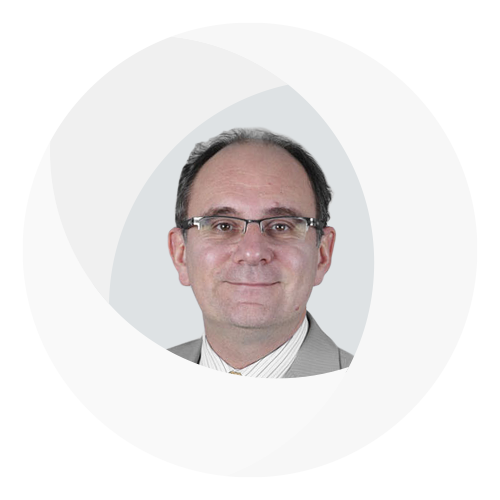
Laurent Arthaud
BPI France
Laurent Arthaud started his career in 1986 at the French Ministry of Finance.
From 1993 to 1995, he became an Advisor to the Minister of Labor, and then, an Advisor in charge of the labor to the Prime Minister, Alain Juppé. In 1997, Laurent Arthaud joined Rhône-Poulenc as General Secretary of the Corporate Research. In 1999, he founded Aventis Capital, the venture arm of Aventis, with a corporate venture fund Genavent.
In November 2006, he joined CDC Entreprises as Deputy CEO, and in 2012, became General Manager for Life Sciences, Ecotechnology and French Tech Acceleration of Bpifrance Investissement.
He is member of the Boards of Director of Adocia, Aledia, Calyxt, Cellectis, Enyo, Ribogenics, SparingVision and member of the Supervisory Board of Kurma LifeSciences Partners. Laurent Arthaud graduated from Ecole Polytechnique and from French National School of Statistics and Economic Administration (ENSAE).

Stéphane Boissel
SparingVision
Stéphane was appointed Chief Executive Officer of SparingVision concurrently to the first closing of the series A financing in August 2020.
He was previously Chairman of the Board of the Company. Prior to joining SparingVision as CEO, Stéphane served as Executive Vice President of Corporate Strategy of Sangamo Therapeutics, based in San Francisco (USA). He joined Sangamo Therapeutics in 2018 on the back of the acquisition by the latter of TxCell SA, a CAR-Treg company he was the CEO of. Stéphane is an experienced biotech professional who brings over 25 years of leadership experience across corporate finance, strategy and business development. Prior to his appointment as CEO of TxCell in 2015, he served as CEO of Genclis, a molecular diagnostics company. From 2002 to 2010, he served as CFO then Deputy-CEO of Innate Pharma SA, and from 2010 to 2014 he served as Deputy-CEO of Trangene SA. Earlier in his career, Stéphane worked in investment banking for Lazard, where he focused on principal investment in France, Singapore and Hong Kong. He also served as board member or Chairman of the board in different companies in the tech and biotech spaces across different countries.
Mr. Boissel completed his undergraduate work in management and finance at the University of Lyon and Paris-Dauphine in France and received his M.B.A. from the University of Chicago.
Stéphane is based on both sides of the ocean.
Jeanne Cunicelli
UPMC Enterprises
Jeanne Cunicelli is President of UPMC Enterprises and Executive Vice President at UPMC.
Leveraging the multifaceted resources of $21 billion world-renowned health care provider and insurer UPMC, Jeanne leads its Translational Sciences team that invests in, and supports the development and commercialization of, cutting-edge therapeutics, diagnostics, and integrated health care solutions.
They collaborate closely with scientist-entrepreneurs to invest in creation of new companies, as well as in building companies at all stages that are developing innovative products to fundamentally improve health care.
Since joining UPMC in 2017 and with the formation of the Immune Transplant and Therapy Center (ITTC), Jeanne has built a world-class team of highly-skilled investment and scientific experts, enabling the group to form five companies, invest over $200 million in life sciences, and support more than 40 research projects generated by the University of Pittsburgh. Jeanne leads UPMC’s effort to deploy $1 billion in life sciences innovations over the next five years, including continuing to strengthen the Translational Sciences portfolio. She is responsible for overseeing the review and due diligence of nearly 60 investment opportunities in the pipeline today. She currently serves on the boards of two portfolio companies, BlueSphere Bio and Generian, and is a member of the executive committee of the UPMC Genome Center.
Jeanne has more than two decades of experience as a life science venture capital investor and advisor. Prior to joining UPMC, she was a Managing Director and Investment Partner at Bay City Capital, where she lead and/or served on the Boards of Directors of IDev Technologies, Protez Pharmaceuticals, NuPathe, Inc., Calypso Medical, Oculex Pharmaceuticals, MAP Pharmaceuticals and Syntonix Therapeutics. Jeanne is a member of the Board of Trustees of Carnegie Mellon University, serving on the executive committee of the board, as the chairman of the compensation committee and as a member of the finance and audit committees. She received an MBA in Finance from the University of San Francisco and holds a B.A. degree in Cognitive Psychology from Carnegie Mellon University.

Sabine Dandiguian
Jeito Capital
Sabine Dandiguian is managing partner at Jeito Capital and has over 30 years of experience in Pharmaceutical and Medical Device industry with a proven track record in commercialization, new business models and management.
She spent more than 20 years in growing business leadership positions at Johnson&Johnson, in particular as President of Janssen France in 2005 where she managed to transform the business model of a company founded on general medicine into a company focused on highly specialized domains (oncology, virology, psychiatry). After 5 years, she was appointed Managing Director of European emerging countries, in charge of a cluster covering Russia, Turkey, Middle East and Africa, and 3 years after was promoted Company group Chairman, President Europe in the Medical Sector of Johnson&Johnson leading a business of $3,5Md and 4500 people.
Sabine Dandiguian has been recognised as Chevalier de l’Ordre du Mérite, Chevalier de la Légion d’Honneur and is a member of the « Assemblée des 100 » of Institut Pasteur.
She is also member, since the inception, of W.I.T.H association (Women Innovating Together in Healthcare)

Owen Smith
4BIO Capital
Owen is a Partner at 4BIO Capital with significant experience working with early-stage biotechnology companies.
Owen is currently a Director at Locki Therapeutics, and while at Arix Bioscience, previously acted as an Observer on the boards of LogicBio and Depixus.
Owen holds a Masters of Science in Experimental and Translational Therapeutics from the University of Oxford in and is also qualified as an accountant, having spent several years working in assurance and advisory roles at Grant Thornton with public and private clients.
Karen Wagner
Ysios Capital
Dr. Karen Wagner is Managing Partner at Ysios Capital, a leading life sciences venture capital investor, where she focuses on therapeutic investments and coordinates the identification and evaluation of investment opportunities.
She serves on the board of Galecto, Vivet Therapeutics, AELIX Therapeutics and Minoryx Therapeutics and is an observer at the board of Xeltis. Formerly, she was board member at Cardoz and Kala Pharmaceuticals.
Prior to joining Ysios in 2008, Karen had over 10 years of experience in business development in various biotech and pharma companies. At GLYCART in Zurich, Switzerland, she worked together with Ysios colleague Joël Jean-Mairet. After the sale of GLYCART to F. Hoffmann-La Roche in 2005, she was responsible for business development and alliance management for Roche in the areas of drug discovery technologies, preclinical oncology and viral diseases. After leaving Roche, she managed a consultancy firm providing advice and hands-on support to various biotechnology companies in business development and strategy.
Karen holds a master’s degree in Molecular Biology and a PhD in Cell Biology, both from the University of Konstanz, Germany.
Rusty Kelley, PhD
Retinal Degeneration Fund
Dr. Kelley is the managing director of the Retinal Degeneration Fund, the venture arm of the Foundation Fighting Blindness.
Rusty brings over 25 years of experience in identifying, funding and developing biotechnologies to his leadership role. Rusty helped launch the fund as a Senior VP of Investments, serving the Foundation’s therapeutic mission to develop therapeutics for inherited retinal dystrophies.
Prior to his current role, Rusty directed the translational and interdisciplinary science funding portfolios at the Burroughs Wellcome Fund. After serving on the bench as a scientist, Rusty served a a director, and led preclinical at Tengion, a tissue engineering firm that spun-out of Boston Children’s Hospital and Wake Forest University.
Rusty also holds experience in clinical development at PPD, Inc. where he helped manage clinical trials in the divisions of Medicine, NIH trials and Infectious Disease, and as a bench scientist in the pharmaceutics and analytical chemistry divisions for AAIPharma.
Rusty received a BA in Chemistry from UNC Chapel Hill, a PhD in Pharmacology at LSU’s Health Sciences Center in New Orleans. He was awarded an American Heart Association postdoctoral fellowship in the School of Medicine at UNC Chapel Hill, and recently earned an MBA from Duke University’s Fuqua School of Business.
In addition to being a Board director of SparingVision, Rusty is currently a founding Board director of Opus Genetics, and Board observer for Atsena Therapeutics, Nacuity Pharmaceuticals, and Vedere Bio. He also serves as a Board Director of DC-based Health Research Alliance & North Carolina’s Council for Entrepreneurial Development.
Scientific Advisory Board
Prof. José Alain Sahel
Co-founder
José-Alain Sahel studied medicine at the Medical School of Paris University and ophthalmology at the University of Strasbourg and at Harvard University (Boston-Cambridge, USA).
He was appointed Professor of Ophthalmology at the University Louis Pasteur, Strasbourg. Currently, José-Alain Sahel is Professor of Ophthalmology at Pierre and Marie Curie University Medical School, Paris, France and Cumberlege Professor of Biomedical Sciences at the Institute of Ophthalmology-University College London, UK. He chairs the Departments of Ophthalmology at the Quinze-Vingts National Eye Hospital and at the Rothschild Ophthalmology Foundation. In 2016, he was appointed Professor and Chairman of the Department of Ophthalmology at the University of Pittsburgh Medical School and The Eye and Ear Foundation Endowed Chair.
The primary focus of Sahel’s fundamental and clinical research is the understanding of the mechanisms associated with retinal degeneration, together with the conception, development and evaluation of innovative treatments for retinal diseases, with a special focus on genetic rod-cone dystrophies (e.g. neuroprotection, stem cells, gene therapy, pharmacology, and artificial retina).
José-Alain Sahel scientific group (with Saddek Mohand-Said and Thierry Léveillard) was the first to hypothesize and demonstrate that rod photoreceptors produce a protein that rescues cone photoreceptors, thereby maintaining light-adapted and high-resolution vision.
Prof. Jean Bennett
USA
Professor of Cell & Developmental Biology – Co-Director of Center for Advanced Retinal & Ocular Therapeutics, University of Pennsylvania, U.S.A.
Jean Bennett, MD, Ph.D., is the F.M. Kirby Professor of Ophthalmology, Professor of Cell and Developmental Biology, and Co-Director of the Center for Advanced Retinal and Ocular Therapeutics (CAROT) at the University of Pennsylvania Perelman School of Medicine. She has developed gene transfer approaches to test treatment strategies for retinal degenerative and ocular neovascular diseases, to elucidate retinal differentiation pathways and to identify pathogenetic mechanisms that lead to blindness.
Her research with Dr. Albert Maguire, conducted at UPenn over the past 25 years, has established the scientific underpinnings which made it possible to test the first potential definitive retinal gene therapy treatment for patients with blinding retinal degenerations. Dr. Bennett is the Scientific Director of gene therapy clinical trials for a congenital blindness. These studies, carried out at Children’s Hospital of Philadelphia and sponsored by Spark Therapeutics, led to the approval of the first gene therapy drug (Luxturna) for a genetic disease in the USA. This is also the first gene therapy drug to be approved worldwide.Dr. Bennett’s Center continues to strive to develop treatments that could be applied to other genetic and acquired blinding conditions.
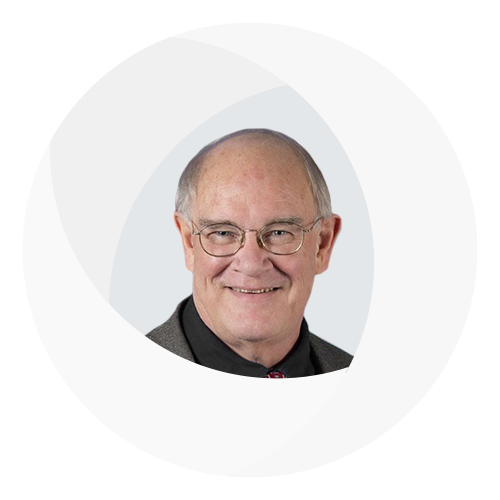
Prof. Paul Sieving
USA
Professor of Ophthalmology at University of California Davis School of Medicine and the former Director of the US National Eye Institute at the National Institutes of Health
Dr. Paul A. Sieving is an ophthalmologist with extensive expertise in inherited retinal diseases (IRD). He served as Director of the National Eye Institute at the National Institutes of Health for nearly 20 years where he led the research programs to advance national vision health. Dr. Sieving previously was the Paul R. Lichter Professor of Ophthalmic Genetics at the University of Michigan Medical School for 17 years and founded the Centre for Retinal and Macular Degeneration. Dr. Sieving received his M.D. from the University of Illinois where he trained in ophthalmology and obtained a Ph.D. in bioengineering.
He has developed and led translational therapy programs for IRD conditions using human ocular gene therapy and neurotrophic factor implants.Dr. Sieving has received prestigious awards including the Società Oftalmologica Italiana Honorary Award in Ophthalmology in 2016.
He holds elected membership in the National Academy of Medicine USA and the German National Academy of Science. Since leaving the NIH in 2019, he founded the new Centre for Ocular Regenerative Therapy “CORT” at the University of California Davis.

Prof. Botond Roska
Switzerland
Founding Director, Institute of Molecular and Clinical Ophthalmology Basel (IOB), Basel, Switzerland
Prof. Roska, MD, Ph.D., has over 15 years of experience studying neuronal activity and neurodevelopmental diseases of the retina.In 2018, together with Prof. Hendrik Scholl, hefounded the Institute of Molecular and Clinical Ophthalmology Basel. Since 2014, he has been a Professor at the Faculty of Medicine and since 2019 at the Faculty of Science at the University of Basel, Switzerland. He earned a medical degree at the Semmelweis Medical School in Hungary in 1995, before completing his Ph.D in Neurobiology at the University of California Berkeley in 2002 and becoming a Harvard Society Fellow in Genetics in 2005.
Prof. Roska is an neuroscientist and molecular geneticist who has made significant scientific contributions to his field, including working in collaboration with Prof. Jose Sahel and his research group to study retinal cell-type-targeted approaches to restoring visual activity in patients with Retinitis Pigmentosa patients.
He has received a number of awards for his research, including the Louis-Jeantet Prize for Medicine, and most recently, the Körber European Science Prize and the Sanford and Susan Greenberg End Blindness Visionary Prize.

Prof. Elias Arnér
Sweden
Head and Professor of Biochemistry Division, Department of Medical Biochemistry and Biophysics, Karolinska Institutet, Stockholm, Sweden.
Dr. Elias Arnér is Professor in Biochemsitry at the Karolinksa Institute in Sweden, and is an expert in selenoproteins and the mammalian thioredoxin system. Elias completed his MD and Ph.D. at the Karolinska institute, and was Dean of postgraduate education at the university 2005-2007, before becoming Professor in Biochemistry in 2009. Elias’ Ph.D. thesis was on nucleotide metabolism and nucleoside analogs as therapeutics, and his post doc work into selenoproteins, and specifically thioredoxin reductase, came to form the main line of research in his laboratory.
His expertise in his field led to him being appointed in 2020 as the Head of Department at the Department of Selenoprotein Research at the National Institute of Oncology in Hungary. Elias has authored over 150 publications and in 2019 was appointed as Board Member of the Council for Medicine and Health at the Swedish Research.
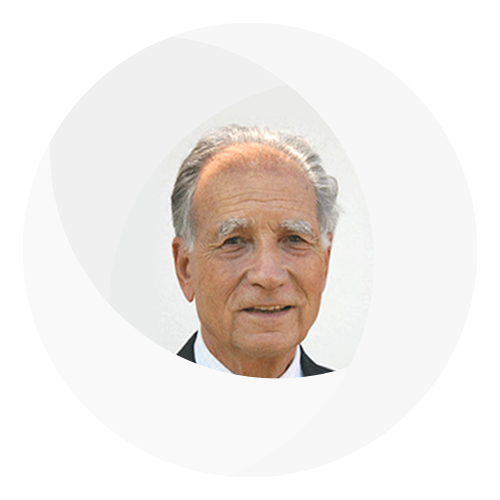
Prof. Pierre Chambon
France
Professor of Molecular Genetics at the Institute of Advanced Studies Strasbourg University Founder & former Director of Institute for Genetics, Cellular and Molecular Biology, France.
Pierre Chambon, who is Professor of Molecular Genetics at the Institute of Advanced Studies at the Strasbourg University, is Honorary Professor at the Collège de France (Paris), and Emeritus Professor at the Faculty of Medicine of the Strasbourg University. He is the founder and former Director of the Institute for Genetics and Cellular and Molecular Biology (IGBMC), and the founder and former Director of the Institut Clinique de la Souris (ICS/MCI), in Strasbourg, France.
Over the last 50 years, his scientific achievements are logically inscribed in an uninterrupted series of discoveries in the field of transcriptional control of gene expression in higher eukaryotes: discovery of PolyADPRibose (1963), discovery of multiple RNA polymerases (1969), major contribution to the elucidation of chromatin structure, the Nucleosome (1974), discovery of animal split genes (1977), discovery of multiple promoter elements and their cognate factors (1980-1993) and of transcriptional enhancers (1981).
During the last 30 years his studies on the structure and function of nuclear receptors have changed our concept of signal transduction and endocrinology.
Clinical Advisory Board
Prof. Jean Bennett
USA
Professor of Cell & Developmental Biology – Co-Director of Center for Advanced Retinal & Ocular Therapeutics, University of Pennsylvania, U.S.A
Jean Bennett, MD, Ph.D., is the F.M. Kirby Professor of Ophthalmology, Professor of Cell and Developmental Biology, and Co-Director of the Center for Advanced Retinal and Ocular Therapeutics (CAROT) at the University of Pennsylvania Perelman School of Medicine. She has developed gene transfer approaches to test treatment strategies for retinal degenerative and ocular neovascular diseases, to elucidate retinal differentiation pathways and to identify pathogenetic mechanisms that lead to blindness. Her research with Dr. Albert Maguire, conducted at UPenn over the past 25 years, has established the scientific underpinnings which made it possible to test the first potential definitive retinal gene therapy treatment for patients with blinding retinal degenerations. Dr. Bennett is the Scientific Director of gene therapy clinical trials for a congenital blindness. These studies, carried out at Children’s Hospital of Philadelphia and sponsored by Spark Therapeutics, led to the approval of the first gene therapy drug (Luxturna) for a genetic disease in the USA. This is also the first gene therapy drug to be approved worldwide. Dr. Bennett’s Center continues to strive to develop treatments that could be applied to other genetic and acquired blinding conditions.
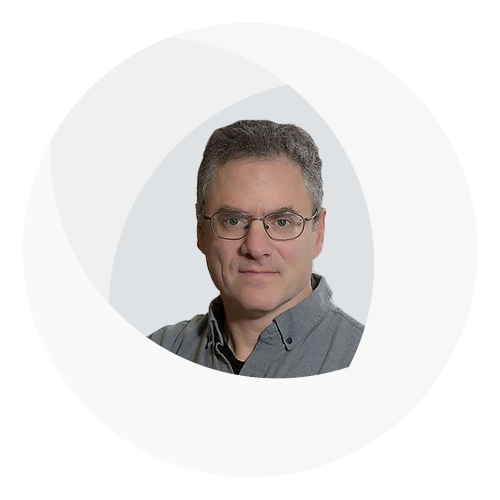
Prof. Eric Pierce
USA
Professor of Ophthalmology Massachusetts Eye and Ear Harvard Medical School, US
Dr. Eric Pierce received his Ph.D. in Biochemistry from the University of Wisconsin-Madison and his M.D. from Harvard Medical School. He did his residency in Ophthalmology at Harvard and fellowship in Pediatric Ophthalmology at Children’s Hospital, Boston where he also took his first faculty position. He was then recruited to the department of Ophthalmology at the University of Pennsylvania School of Medicine, where he was promoted to Associate Professor with tenure. He returned to Harvard in 2011 to establish the Ocular Genomics Institute.
Dr. Pierce is an ophthalmologist and molecular geneticist whose research program is dedicated to understanding the molecular mechanisms of inherited retinal degenerations (IRDs), and improving therapeutic interventions for these conditions. IRDs are a leading cause of blindness worldwide, and are characterized by progressive dysfunction and death of retinal photoreceptor cells.
Dr. Pierce’s research program is focused on identifying new IRD disease genes, investigating the mechanism by which mutations in the identified genes lead to blindness, and using this information about disease pathogenesis to develop rational therapies to prevent vision loss.
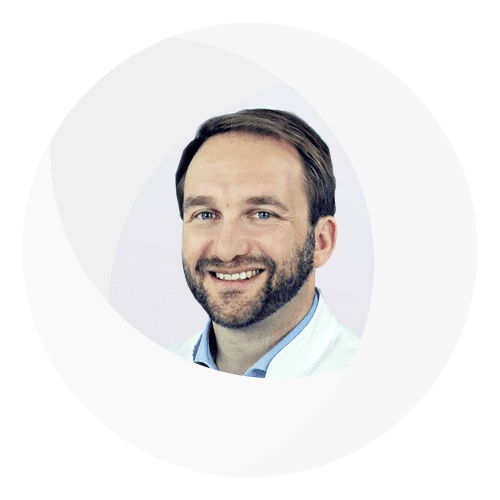
Prof. Dominik Fischer
UK
Professor Fischer is a Professor of Ophthalmology at the University of Oxford and Nuffield Laboratory of Ophthalmology and Consultant Ophthalmic Surgeon at the Oxford Eye Hospital, in Oxford, UK. He specializes in retinal diseases and their treatment.
He became member of the medical faculty at the Eberhard Karl University Tübingen in 2012 and was appointed Professor of Ophthalmology at the Centre for Ophthalmology Tübingen in 2015.
He did is undergraduate training in Munich, Melbourne and Zurich and received his clinical and research training at the University of Pennsylvania, University of Tübingen and University of Oxford. He is registered specialist and Fellow of the European Board of Ophthalmology since 2012.
Professor Fischer has received more than 25 awards, among them the Leonhard Klein award for the advancement of vitreoretinal surgery and the Senator-Hermann-Wacker award for scientific contributions to the field of retinal and choroidal disease. He has given more than 100 invited lectures and is author of more than 70 peer reviewed articles.

Prof. Mark Pennesi
USA
Associate Professor of Ophthalmology, School of Medicine, Case Eye Institute Ohio Health & Science University, U.S.A
Prof. Mark Pennesi, MD, Ph.D., is an Associate Professor in Ophthalmology at Oregon Health & Science University. He holds the Kenneth C. Swan Endowed Professorship and is the chief of the Paul H. Casey Ophthalmic Genetics Division at the Casey Eye Institute. Dr. Pennesi attended the University of Pennsylvania where he graduated summa cum laude with a bachelor’s degree in biomedical engineering and was awarded the Herman P. Schwann award in bioengineering for exemplary scholarship.
Prof. Pennesi pursued combined MD/PhD at Baylor College of Medicine in Houston, Texas, followed by a residency in ophthalmology at University of California, San Francisco, where he was awarded the Hogan-Garcia Award for best resident research project. He is the recipient of an FFB career development award, an RPB career development award, and an FFB enhanced career development award, and has been elected into both the Macula Society and the Retina Society.
Prof. Pennesi is a clinician scientist with a passion for developing novel therapeutic regimens for inherited retinal diseases. He has helped propel the Casey Eye Institute into a leader in novel therapies for inherited retinal dystrophies, and has been the PI or Co-PI on numerous clinical trials into treatments for inherited retinal diseases. He is a principal investigator on the Allergan Brilliance trials, which saw the first patient treated with gene editing from CEP290-related retinopathy.

Prof. Eyal Banin
Israel
Professor of Ophthalmology ; Director, Center for Retinal and Macular Degenerations (CRMD), Department of Ophthalmology, Hadassah-Hebrew University Medical Center, Jerusalem, Israel
Prof. Eyal Banin, MD, Ph.D., is Director of the Center for Retinal and Macular Degenerations (CRMD) at the Department of Ophthalmology at Hadassah-Hebrew University Medical Center in Jerusalem, Israel. He is a graduate of the Hebrew University-Hadassah School of Medicine, holds a Ph.D. in Neurobiology from the Hebrew University, and completed his ophthalmology residency at Hadassah Medical Center. Following a post-doctoral and medical retina fellowship at the University of Pennsylvania’s Scheie Eye Institute in Philadelphia, he was appointed head of the Medical Retina Service and the CRMD at Hadassah.
His main clinical and research focus is in the field of retinal and macular degenerations, including the development and application of novel cell- and gene-based therapies for these diseases. The recipient of many research grants from Israeli and foreign institutions, Dr. Banin has authored and published over 140 articles in leading medical journals.

Prof. Masayo Takahashi
Japan
President of Vision Care & Project Leader at RIKEN Center for Developmental Biology, Japan
Prof. Takahashi, MD, Ph.D., is a world-renowned scientist whose clinical and research work has focused on ophthalmology and retinal diseases. In 2014, Prof. Takahashi and her team at the RIKEN institute in Japan succeeded in a world-first transplanting of cells made from induced pluripotent stem cells into a human body. This landmark achievement was achieved by reprogramming the patient’s own cells into iPSCs, before differentiating them into retinal pigment epithelium cells and transplanting them.
Prof. Takahashi graduated from the Faculty of Medicine at Kyoto University in 1986 and went on to receive a Ph.D. from the university in 1992. In 1995 she began post-doctoral research at the Laboratory of Genetics at the Salk Institute in California.
In 2006, she became Team Leader at the Laboratory for Retinal Regeneration at the RIKEN Center for Developmental Biology in Japan, before becoming Project Leader in 2012. In 2019, she left RIKEN to become President of Vision Care, a biotech company focused on ophthalmology and regenerative medicine. In 2015, Prof. Takahashi was awarded the Ogawa-Yamanaka Prize in Stem Cell Biology.
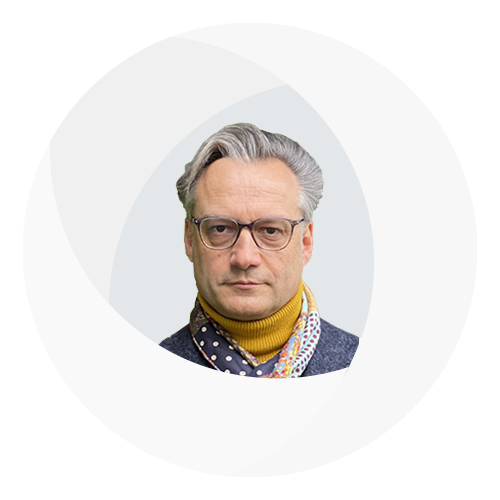
Prof. Bart Leroy
Belgium
Head of Department of Ophthalmology, Ghent University Hospital, Professor of Ophthalmology, Ghent, Belgium; Director of the Ophthalmic Genetics and Retinal Degenerations clinics in the Division of Ophthalmology and Center for Cellular and Molecular Therapeutics at The Children’s Hospital of Philadelphia (CHOP)
Dr. Leroy, MD, Ph.D., is an expert in ophthalmic medicine and retinal degeneration, and is Professor of Ophthalmology at Ghent University, having been the Head of Department at Ghent University Hospital’s Department of Ophthalmology since 2016. Ghent was also where he completed his Ph.D. on inherited retinal dystrophies in 2006 after training as a clinical geneticist and ophthalmologist at Ghent University Hospital, and his fellowship at Moorfields Eye Hospital and the Institute of Ophthalmology, University College London, London, UK.
His clinical focus at both Ghent University Hospital and Children’s Hospital of Philadelphia is on the diagnosis and treatment of patients with inherited retinal and eye diseases including Leber congenital amaurosis, Stargardt disease, retinitis pigmentosa, and other genetic syndromes and diseases. He took part in the development of Luxturna and is currently involved in several clinical trials of ocular gene therapy. Dr. Leroy has authored over 150 papers, and received numerous prizes and grants for his work into ophthalmic medicine and retinal diseases.
“We are a biotechnology company focused on the discovery and development of genomic medicines for the treatment of blinding inherited retinal diseases.”
Investors